Every growth milestone costs you another office hire.
At $5M, you hire a coordinator. At $15M, you need a dispatcher and a dedicated estimator. At $30M, the billing pile demands its own person. The headcount compounds; the margin doesn't.
Meanwhile, your admin team spends most of their day on tasks that follow rules: turning a site visit into an estimate, matching a tech to a job, chasing a signed invoice. Rules a machine handles without complaining, taking lunch, or calling in sick.
The pattern at this scale
The companies that grow without blowing up their org chart are the ones that stop treating admin as a headcount problem.
Veldex is an AI operations layer built for commercial trade contractors between $5M and $50M. It handles the repetitive work your office team currently does — so growth means more revenue, not more payroll.
From site visit to signed proposal — without waiting on someone to type it up.
When a tech completes a site assessment, Veldex pulls the scope, matches it to your labor rates and materials, and drafts the estimate. You review and approve. The proposal goes out the same day — not three days later when the admin queue clears.
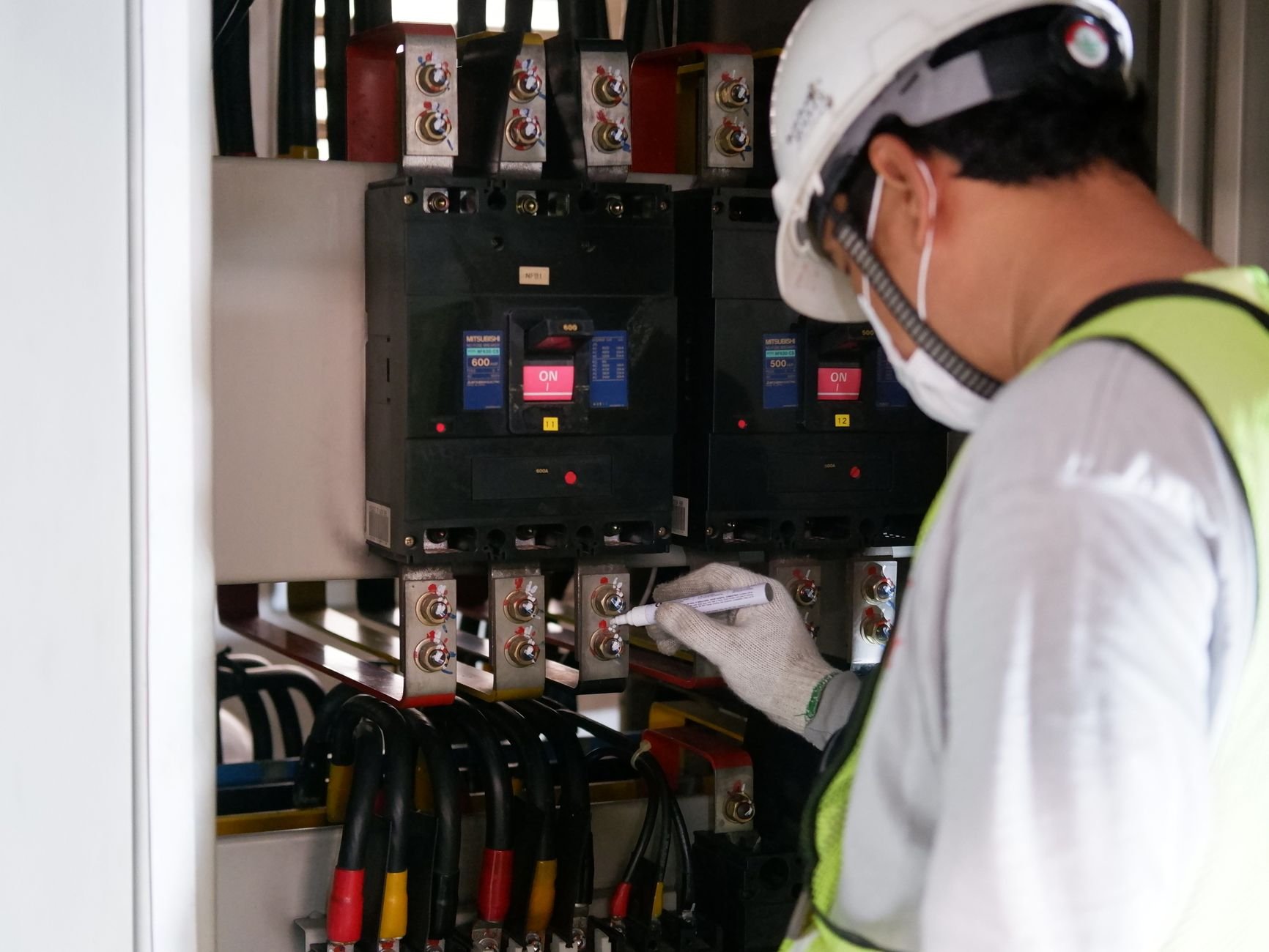
The right tech on the right job — without the morning fire drill.
Veldex matches incoming work orders to technician availability, certification, location, and current load. It flags conflicts before they become missed appointments. Your dispatcher stops being a full-time scheduler and starts handling only the exceptions.

Invoice when the job closes. Collect before the invoice ages.
Veldex generates the invoice from job data the moment work is marked complete. It tracks payment status, sends follow-up reminders on a schedule you define, and escalates overdue accounts to your team — without anyone manually touching the AR queue.

From first conversation to running back office — how Veldex works.
A methodical setup, not a magic button. We move carefully because operations is where most implementations fail.
We map your existing workflow — not replace it.
Veldex connects to the tools you already run: your field service platform, your estimating sheets, your accounting system. The first step is understanding how work moves through your business today — what you receive, who touches it, and where the delays live.
We encode your rules — labor rates, service agreements, escalation paths.
Every contractor prices differently and dispatches differently. We work with your ops team for two to three weeks to encode the rules your best admin uses implicitly: how you scope a commercial HVAC PM, what triggers an emergency rate, when a job escalates to your lead tech.
Veldex handles the repetitive work. Your team handles the exceptions.
Once configured, Veldex monitors the inbound queue. Estimate requests, scheduling changes, job completions, invoice triggers — it handles the routine, flags the non-routine, and routes decisions that need a human to the right person. The daily fire drill stops being a fire drill.
Weekly reporting shows you what Veldex did and what it saved.
Every week you get a plain-language summary: proposals sent, jobs dispatched, invoices collected, accounts followed up. You see what happened, what the AI decided, and what your team overrode. No black box — every action is logged and reviewable.
Questions we hear before every engagement.
We already use ServiceTitan / BuildOps. Does Veldex replace it?
No — and that's intentional. Veldex connects on top of your existing field service platform. Your techs keep using the mobile app they know; your dispatchers keep the job board they're familiar with. Veldex handles the administrative work that happens around those tools: drafting estimates, triggering invoices, following up on open accounts. A rip-and-replace is not part of this.
How does the AI handle jobs that don't follow a standard pattern?
Veldex flags non-standard situations and routes them to your team. The AI handles volume — the routine requests, recurring PM jobs, standard invoicing. Anything outside the rules you've configured surfaces as a task for a human. We spend the onboarding period explicitly defining where the AI should stop and ask, not just what it should do automatically.
What about our customer data and job records?
Your data stays in your systems. Veldex reads and writes to them via secure integrations — it doesn't maintain its own parallel database of customer records. When we're done, your systems have everything. There's no data lock-in and no proprietary export format.
We've tried software implementations before. They always take six months and don't stick.
The implementations that fail are usually ERP rollouts where every team has to change how they work simultaneously. Veldex layers over what you already do — your team doesn't change their tools or workflows during setup. The AI adapts to your process, not the other way around. We start with one workflow (estimating or invoicing, whichever is the bigger pain) and only expand once that one is running cleanly.
Who manages Veldex once it's running?
Day-to-day it runs without a dedicated manager. You'll have an operations lead who reviews the weekly summary and handles edge cases the AI routes up. We also provide ongoing support during the first three months to tune the configuration as real jobs flow through. After that, most adjustments are minor rule updates — not rebuilds.
Is this only for HVAC, or does it cover electrical and plumbing too?
Veldex is built for commercial specialty contractors broadly — HVAC is the most common, but the same back-office workflows apply across electrical, plumbing, fire protection, and mechanical. The configuration adapts to your trade's specific scope types, compliance requirements, and service agreements.
Ready to see what your back office looks like without the headcount?
We start with a 45-minute walkthrough of your current operation — no pitch deck, no demo theater. We map where admin time goes and show you which parts Veldex can take off your plate.